
What Are Laboratory Equipments?
When setting up a laboratory, choosing the right equipment is one of the most important decisions you will make. Whether you run a research facility, testing laboratory, educational institution, or industrial lab, investing in quality laboratory equipments can improve accuracy, safety, and productivity.
For a better understanding of laboratory standards and equipment requirements, you can explore trusted resources on laboratory equipments and laboratory quality management systems.
In this article, you will learn the five key factors to consider before purchasing laboratory equipments. By understanding these factors, you can make informed decisions, avoid costly mistakes, and ensure your laboratory operates efficiently.
What Are Laboratory Equipments?
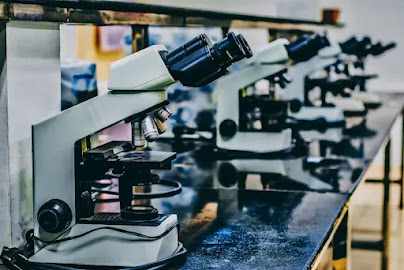
Laboratory equipments are tools, instruments, and devices used in laboratories for testing, measuring, analyzing, and conducting experiments. These can range from simple items such as microscopes and weighing balances to advanced systems like spectrophotometers, incubators, and environmental chambers.
Every laboratory depends on reliable laboratory equipments to produce accurate results. The quality of these tools directly affects research outcomes, product testing, and scientific analysis.
Different laboratories require different types of equipment. For example, a pharmaceutical laboratory may need precision analytical instruments, while an environmental testing lab may require specialized testing chambers. Understanding your specific requirements is the first step toward making the right purchase.
1. Define Your Laboratory Requirements Clearly
Firstly, identify the purpose of your laboratory before buying any equipment.
Ask yourself these questions:
What type of testing or research will be performed?
How often will the equipment be used?
What level of accuracy is required?
How many samples will be processed daily?
Having clear answers helps you choose laboratory equipments that match your needs. Buying equipment without understanding your requirements often leads to unnecessary expenses and operational challenges.
For example, a small educational laboratory may not need the same advanced equipment as a pharmaceutical quality control laboratory. Therefore, matching equipment specifications with actual laboratory needs is essential.
2. Focus on Quality and Accuracy
The second factor is quality. High-quality laboratory equipments provide consistent and reliable results.
When evaluating equipment quality, consider:
Manufacturing standards
Calibration capabilities
Certifications and compliance
Material durability
Brand reputation
Accurate results are critical in any laboratory environment. Poor-quality instruments may generate incorrect data, leading to costly errors and repeated testing.
Additionally, look for equipment that meets international standards such as ISO certifications. These certifications indicate that the equipment has been tested for quality and performance.
Although premium equipment may have a higher upfront cost, it often delivers better long-term value through improved reliability and reduced maintenance.
3. Consider Safety Features
Safety should always be a top priority when purchasing laboratory equipments.
Laboratory personnel work with chemicals, biological samples, high temperatures, and electrical systems. Therefore, equipment should include built-in safety features to protect users.
Some important safety considerations include:
Emergency shut-off systems
Temperature protection controls
Chemical-resistant materials
Proper ventilation systems
User-friendly operation panels
For example, laboratory incubators and environmental chambers should have temperature alarms that alert users if conditions move outside acceptable limits.
Additionally, ensure that employees receive proper training on equipment operation. Even the safest equipment can become dangerous if used incorrectly.
Investing in safe equipment reduces workplace accidents and supports regulatory compliance.
4. Evaluate Maintenance and Technical Support
Many buyers focus only on purchase price and overlook maintenance requirements. However, maintenance plays a major role in equipment performance and lifespan.
Before purchasing laboratory equipments, ask suppliers about:
Warranty coverage
Availability of spare parts
Calibration services
Technical support
Preventive maintenance programs
Reliable after-sales service can save both time and money. Equipment breakdowns can interrupt laboratory operations and delay important projects.
Additionally, choose suppliers that offer quick response times and qualified technical support teams. This ensures problems can be resolved efficiently when they occur.
A strong service network is often just as important as the equipment itself.
5. Compare Total Cost of Ownership
The purchase price is only one part of the overall investment.
Instead of focusing solely on initial cost, evaluate the total cost of ownership. This includes:
Installation expenses
Maintenance costs
Calibration fees
Energy consumption
Replacement parts
Operator training
Sometimes lower-priced laboratory equipments may result in higher operating costs over time. Conversely, high-quality equipment often provides better efficiency and longer service life.
For example, energy-efficient laboratory systems can significantly reduce utility expenses over several years.
Comparing long-term costs helps you make smarter financial decisions and maximize your return on investment.
Common Mistakes to Avoid When Buying Laboratory Equipments
Many laboratories make avoidable mistakes during the purchasing process.
Buying Based Only on Price
Choosing the cheapest option may seem attractive initially. However, poor performance and frequent repairs often increase costs later.
Ignoring Future Growth
Consider your laboratory's future needs. Equipment should support expansion and increased workloads whenever possible.
Skipping Product Demonstrations
Always request product demonstrations or detailed specifications. This helps verify that the equipment meets your expectations.
Overlooking Supplier Reputation
A reliable supplier provides quality products, technical expertise, and ongoing support. Research customer reviews before making a decision.
Avoiding these mistakes can help ensure a successful investment in laboratory equipments.
Where to Find More Information and Resources
If you want to learn more about laboratory equipment selection and laboratory management, consider these trusted resources:
ISO (International Organization for Standardization)
World Health Organization (WHO)
ASTM International
Laboratory Equipment Manufacturers' Websites
Scientific Research Journals
University Laboratory Resource Centers
Additionally, industry exhibitions and scientific conferences provide valuable opportunities to explore new technologies and emerging trends.
Keeping up with industry developments helps laboratories stay competitive and efficient.
Conclusion
Choosing the right laboratory equipments requires careful planning and research. Start by understanding your laboratory needs, then focus on quality, safety, maintenance support, and long-term costs. These factors help ensure reliable performance and better value over time.
By making informed decisions, you can build a laboratory that delivers accurate results, protects users, and supports future growth. Take time to evaluate your options carefully and work with trusted suppliers to achieve the best outcomes.
FAQs
1. How do I choose the right laboratory equipments for my laboratory?
Begin by identifying your testing requirements, accuracy needs, sample volume, and available budget. Then compare equipment specifications, quality standards, and supplier support services.
2. Why is calibration important for laboratory equipments?
Calibration ensures that equipment provides accurate and consistent measurements. Regular calibration helps maintain data reliability and compliance with industry standards.
3. What should I check before purchasing laboratory equipments from a supplier?
Review product quality, certifications, warranty coverage, maintenance support, spare part availability, and customer reviews. These factors help ensure a reliable and long-lasting investment.

Write a comment ...